
30A HOA Fees Explained: Coverage, Exclusions and Costs
November 21, 2025
November 21, 2025
Wondering what your HOA fees on 30A actually pay for? Between beach access, pools, and coastal upkeep, it can be hard to tell what is included and what is not. If you are looking in Panama City Beach, Inlet Beach, or anywhere along 30A in Walton County, this guide explains typical coverage, common exclusions, and how fees shape your monthly budget. You will also get a practical due diligence checklist you can use on any community. Let’s dive in.
Your HOA or condo association dues fund the shared parts of your community. The exact scope depends on the type of association, the amenities offered, and what the governing documents require. On 30A, coastal conditions and resort-style amenities often expand the list.
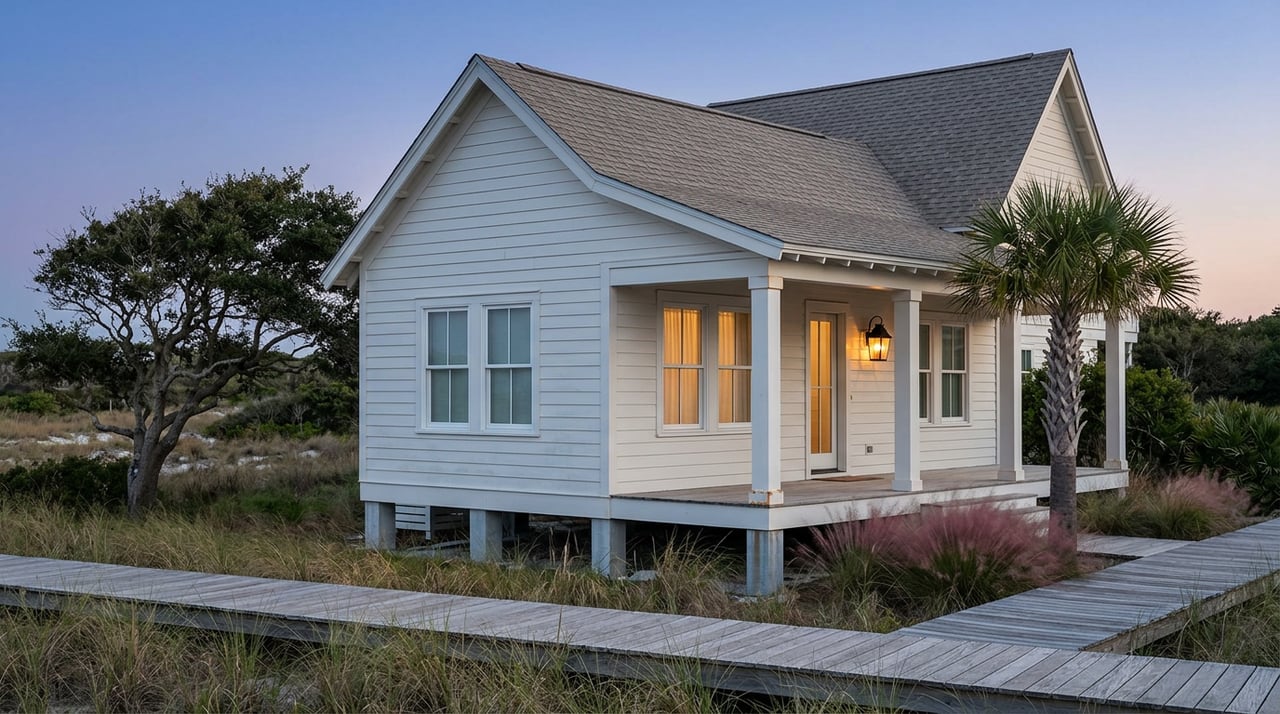
Most associations cover routine landscaping, irrigation, tree and palm care, and upkeep for internal roads and sidewalks. In beach neighborhoods, this often extends to dune crossovers, boardwalks, and private beach access. A Seacrest-style community with landscaped roundabouts and beachfront walkovers will reflect these costs in monthly dues.
This category is more relevant to condominiums and townhomes under a condo association. Typical line items include roofs, exterior paint, siding or stucco, balcony repair, and weather seals. Salt, sand, and wind on the Gulf can increase how often these items need attention.
Expect association-paid electricity for common areas, water for irrigation, and trash service for shared spaces. Some communities bundle unit water and sewer or offer bulk cable and internet. Always confirm what is included by reviewing the current budget and CC&Rs.
Pools, hot tubs, fitness centers, clubhouses, tennis or pickleball courts, playgrounds, and community centers all require maintenance and staffing. Gated entries, on-site management, and lifeguards or beach monitors are common in resort communities. A Seacrest-style setup with a gulf-front pool, fitness center, and staffed amenities typically carries higher monthly dues to match service levels.
Associations usually carry a master property and liability policy for common elements. In condos, this can include parts of the building structure or envelope. Owners remain responsible for interior finishes, personal property, and liability within their unit. Coastal properties may face higher insurance premiums and deductibles for wind or hurricane coverage.
Professional management fees, legal and accounting services, annual reporting, and board meeting costs are standard. Directors and officers insurance is also common. These items support operations and compliance.
Healthy associations set aside money for long-term capital needs such as roof replacement, paving, and major equipment. Strong reserves reduce the odds of large special assessments later. Reserve levels and studies vary, so verify them for each community you consider.
Some associations pay property taxes on common areas or fees to special districts, such as stormwater or utility districts. These costs can appear as separate line items in the operating budget.
Expect dumpster service, bulk trash pickup, and routine pest control for common spaces. Some condo associations include unit-level trash collection in the dues.
While coverage varies by association, most dues do not include:
30A communities face unique conditions. Wind, salt, and sand accelerate wear on paint, siding, decking, and metal fixtures. Insurance costs and deductibles can be higher, especially for wind and hurricane risk. Many neighborhoods maintain private beach access, dune walkovers, and beach cleaning or monitoring that increase operating costs.
Flood exposure also matters. Some properties are in FEMA flood zones that require flood insurance. Master policies may or may not include flood coverage for buildings or common elements, so you should confirm coverage and deductibles.
Think of HOA dues as one slice of your total monthly housing cost. For an accurate snapshot, build your budget using this list:
For condos on or near the beach, HOA dues often represent a meaningful share of the monthly carrying cost. Always include dues in your affordability calculations from the start.
Dues vary widely by property type, amenities, staffing, and location. Use these general ranges as a starting point, then verify with official documents:
These are broad guidelines. Confirm actual dues for each community by reviewing the current budget and disclosure package.
Florida statutes governing condominiums and homeowners’ associations require certain budgets and disclosures. You should request the official resale and financial documents during your inspection period. Use the lists below to stay organized.
A common mistake is to compare dues only by dollar amount. Instead, compare what you get. A small inland HOA that covers street lights and simple landscaping will price very differently from a Seacrest-style community with private dune walkovers, staffed amenities, and on-site maintenance. Ask for both the budget and the rules so you can weigh the value of each line item against your lifestyle and goals.
Want help reviewing HOA documents or budgets for communities you are considering on 30A? Ask Amy to pull the association budget, reserve study, and recent meeting minutes so you can compare costs and coverage side by side. For personal guidance from a local advisor with legal and transactional experience, reach out to 30AMY HOMES.
Stay up to date on the latest real estate trends.
Whether you are buying or selling, you will find Amy's attention to detail, fun personality, and client-centered approach invaluable. Amy makes the real estate transaction seamless and handles all aspects of the transaction with integrity and professionalism.