Wondering how you’ll actually get to the sand from a home in Seacrest? You’re not alone. Beach access can be private, shared, or public here, and the details affect your daily routine, rental potential, and long-term value. In this guide, you’ll learn what deeded, community, and public access mean in Seacrest, how to verify what a property truly includes, and how each option impacts lifestyle and resale. Let’s dive in.
Beach access basics in Seacrest
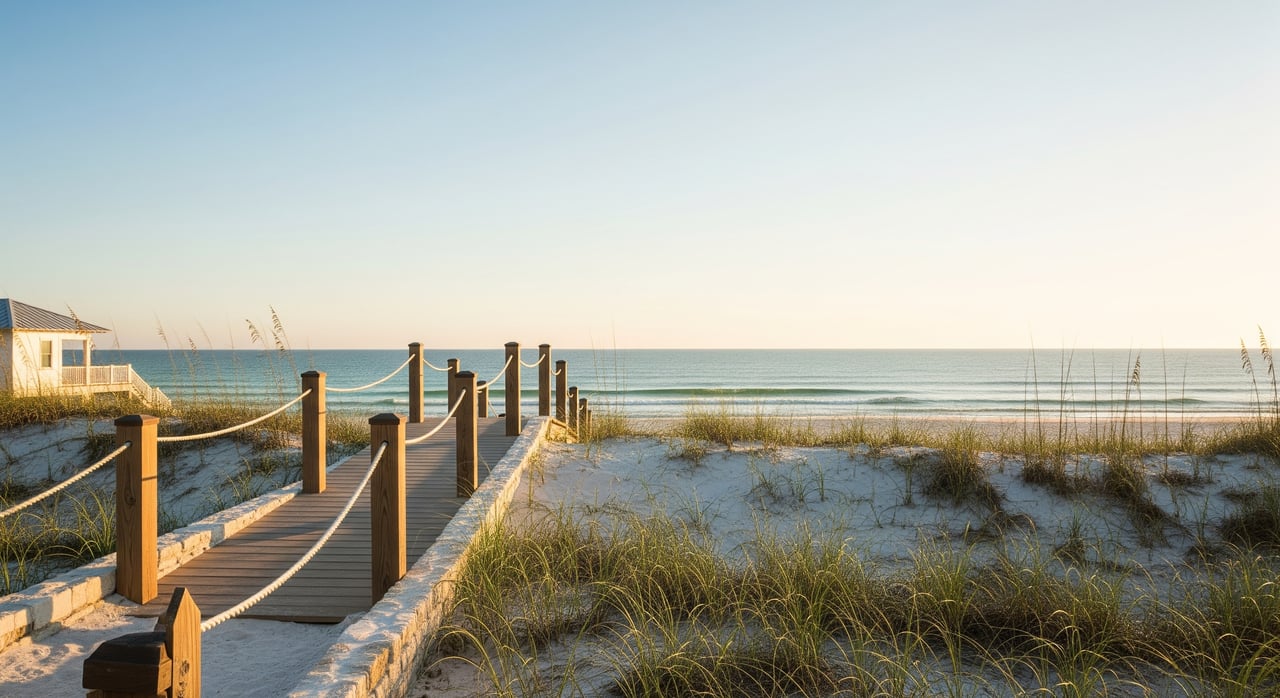
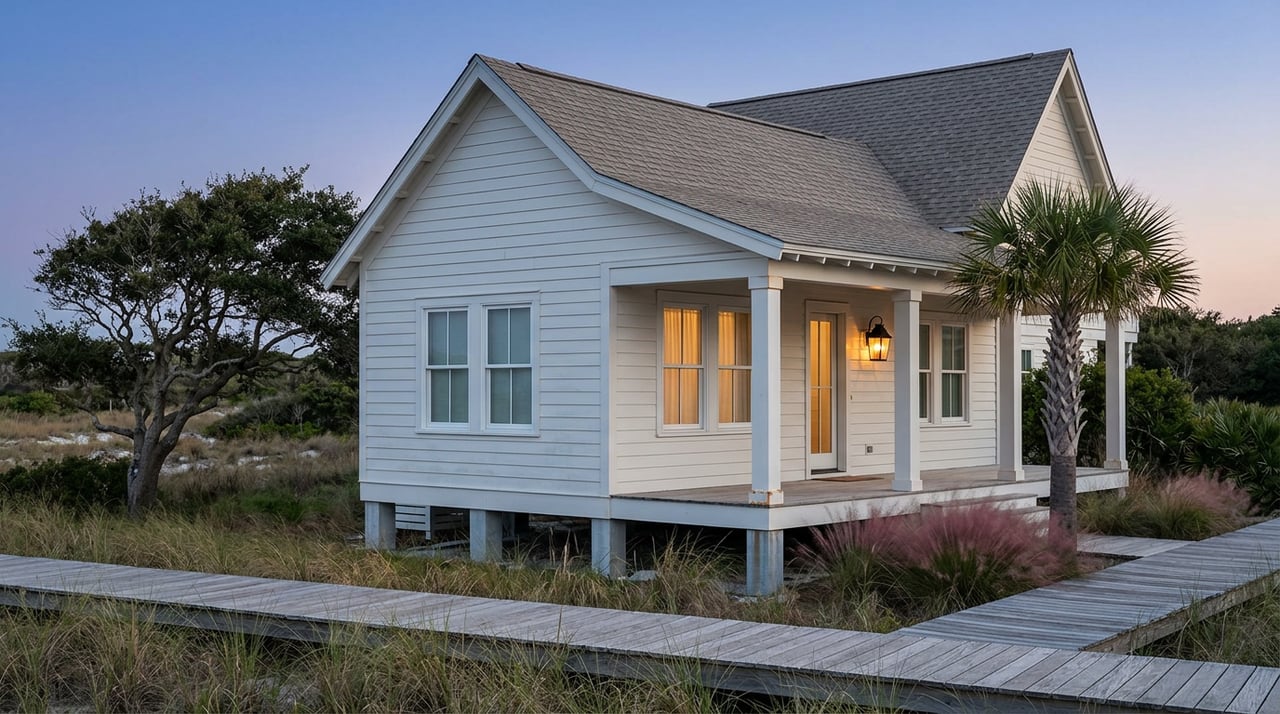
Seacrest sits along the South Walton 30A corridor, where you find a mix of planned communities, resort-style developments, and public beach access points. Many neighborhoods have their own boardwalks and dune walkovers, while others rely on nearby county-managed access. Most homes are within a short walk or drive of the Gulf, but the convenience, privacy, and rules can vary.
Below, you’ll find a clear breakdown of the three access types you’ll see in this market, plus the due diligence steps to confirm what you’re buying.
Deeded beach access explained
Deeded access is a recorded legal right that runs with a specific property. It is often an easement referenced in the deed or plat that allows owners to cross private land to reach the shoreline. In Florida, the wet sand below the mean high water line is generally held in trust for the public, while dry sand above that line can be privately owned. Deeded access typically governs your right to cross upland areas to reach the waterline.
What to expect with deeded access
- The right is typically recorded in the deed, plat, or HOA documents as an easement for pedestrian access to the Gulf.
- It may be exclusive to owners in a specific subdivision or attached to a single lot.
- Guest and renter use can be limited by the easement language or HOA rules.
Pros of deeded access
- Greater privacy and fewer passersby on the walkover.
- Short, direct route to the beach for daily use.
- Strong market appeal to second-home and luxury buyers.
Cons of deeded access
- Maintenance and liability may fall on owners or the HOA.
- Guest or renter restrictions can limit rental income.
- Potential disputes about scope, repairs, or changes over time.
Community or HOA access explained
Community access is a shared amenity managed by an association. Think gated walkovers, small parking areas, dune crossovers, and related facilities for owners, guests, and renters as allowed by the governing documents.
What to expect with community access
- Rights and rules are laid out in CC&Rs and recorded plats.
- Gate codes, parking rules, and guest policies are common.
- Maintenance is typically handled by the association through assessments.
Pros of community access
- Shared upkeep and clearer rules via the HOA.
- Predictable guest access policies that can support short-term rentals.
- Often integrated with community amenities like showers or trash stations.
Cons of community access
- HOA assessments add to carrying costs and can include special assessments.
- Guest and renter limits may affect occupancy and revenue.
- Governance disagreements about enforcement can impact daily convenience.
Public access in Walton County
Public or regional beach access points are owned or managed by the county or state. They often include dune crossovers, parking, and sometimes restrooms or ADA-compliant walkways, depending on the site. These locations connect you to the Gulf below the mean high water line under Florida’s public trust framework.
What to expect with public access
- Widely available and not tied to a private deed or HOA.
- Amenities vary by site and can include parking or restrooms.
- Popular sites can be busy during peak seasons.
Pros of public access
- No private maintenance burden for the walkover.
- Often includes helpful facilities and signage.
- Broad appeal if you value being near established public amenities.
Cons of public access
- Less privacy and potential crowds.
- Parking can be limited during busy times.
- May be subject to seasonal rules or operating hours.
How to confirm your access rights
Before you make an offer, verify exactly how you will reach the beach and who can use that route. Treat this as a core part of your due diligence.
Your verification checklist
- Deed and plat. Review recorded documents for language describing an easement, right of way, walkover, or beach access.
- Title commitment. Confirm all recorded easements and restrictions, and look for potential conflicts or exceptions.
- Survey. Obtain a stamped survey showing boundaries and any access easements. Ask the surveyor to note the relationship to dunes and the mean high water line if marked.
- HOA documents. Read CC&Rs, plats, and meeting minutes to understand rules, guest policies, parking allocations, and maintenance obligations.
- County records and maps. Verify any recorded easements and locate nearby public access points, including available parking and listed amenities.
- Local ordinances. Check rules on parking, dune protection, and short-term rental registration that could affect daily use.
Key questions to answer
- Is the access appurtenant to the lot or tied to a person or entity?
- Is it exclusive to owners or shared more broadly?
- Are renters and guests allowed to use it, and how are they registered?
- Who maintains the walkover and pays for it?
- Is the access subject to change, termination, or relocation?
- Has erosion or nourishment work affected the practical route to the beach?
Rentals and resale: what changes with each type
Access can influence both guest experience and buyer demand in Seacrest.
- Deeded access often commands a market premium due to privacy and convenience, especially for second-home and luxury buyers. If guest use is restricted, rental income could be lower than a similar home with flexible community or public access.
- Community access can be ideal for rental-friendly properties when HOA rules clearly support renter use and provide predictable parking. Assessments raise ownership costs but often support reliable maintenance and a consistent guest experience.
- Public access near your property can appeal to buyers who value amenities and a vibrant scene. Crowding and parking limits can be a tradeoff, but there is no private maintenance burden for the walkover.
Your best-fit choice depends on your lifestyle priorities and investment goals. Privacy-minded owners may pay more for deeded access. Investor owners may prefer communities with clearly defined guest policies and parking. Primary users who enjoy public amenities may prioritize proximity to a well-maintained public access point.
Quick comparison of access types
| Feature |
Deeded Access |
Community/HOA Access |
Public Access |
| Privacy |
Highest |
Moderate |
Lowest |
| Parking |
Varies by easement; often limited |
HOA-defined; sometimes on-site |
Public lots or street, site-dependent |
| Guest/renter use |
Often restricted by easement |
Controlled by HOA rules |
Open to the public |
| Maintenance |
Owner or HOA responsibility |
HOA responsibility via assessments |
County or state responsibility |
| Resale impact |
Often premium value |
Marketable when rules are clear |
Broad appeal, fewer private costs |
Smart questions to ask before you offer
- Is the beach access deeded to this lot, community-owned, or public only?
- What recorded instrument grants the access, and where is it located on the survey?
- What are the guest and renter rules for this access, including any registration steps?
- Who maintains the walkover and how are costs allocated?
- What parking is available for owners and guests near the access?
- Has recent erosion or nourishment affected the utility of this specific walkover?
Work with a trusted local advisor
Seacrest is a coastal market where small details in the deed, plat, and HOA documents can change how you reach the beach and how your property performs. You deserve a guide who pairs neighborhood knowledge with careful document review and clear next steps. If you want help verifying access, coordinating title and survey reviews, and aligning your purchase with your lifestyle or investment plan, connect with 30AMY HOMES.
Ready to take the next step? Schedule a Personal Consultation with 30AMY HOMES.
FAQs
What does deeded beach access mean in Seacrest?
- It is a recorded right, usually an easement tied to a property, that allows you to cross private land to reach the shoreline, with terms set by the deed, plat, or HOA documents.
How is community beach access different from deeded access?
- Community access is a shared amenity governed by HOA rules, while deeded access is a specific property right; each sets its own rules for guests, renters, and maintenance.
What should I review to confirm beach access for a property?
- Ask for the deed, plat, title commitment, survey, and HOA documents, and verify any easements or rules with county records and recent HOA meeting minutes.
Can renters and guests use private beach access in Seacrest?
- It depends on the recorded easement and HOA policies; some allow renter use with registration while others limit access to owners and their immediate guests.
Who pays for maintaining a dune walkover or boardwalk?
- Maintenance responsibility is defined in easements or HOA documents; costs may be assigned to owners directly or handled through HOA assessments.
Are public beach access points crowded in peak season?
- Popular public sites can be busy during peak times, and parking can be limited, so consider proximity, timing, and availability when planning daily beach use.