Thinking about a condo in Sandestin but unsure how inspections and reserves affect your costs and peace of mind? You are not alone. Many second-home and investment buyers want clarity on structural safety, future repair bills, and how lenders view each building. In this guide, you will learn what milestone inspections and reserves mean, how to vet a Sandestin condo association, and the practical steps to protect your purchase and financing. Let’s dive in.
Milestone inspections explained
Milestone inspections are formal evaluations of a building’s structure and related life-safety systems. A licensed structural engineer or architect examines elements like framing, concrete, balconies, waterproofing, roof systems, and key connections. The goal is to catch distress or deferred maintenance early and define a plan to repair or monitor issues.
The outcome is a written report with findings, recommended repairs, estimated costs, and timelines. If serious defects are identified, local building officials can require permits and a remediation plan. In Florida, these inspections gained urgency after high-profile building failures and are increasingly part of responsible condo governance.
Why this matters in Sandestin
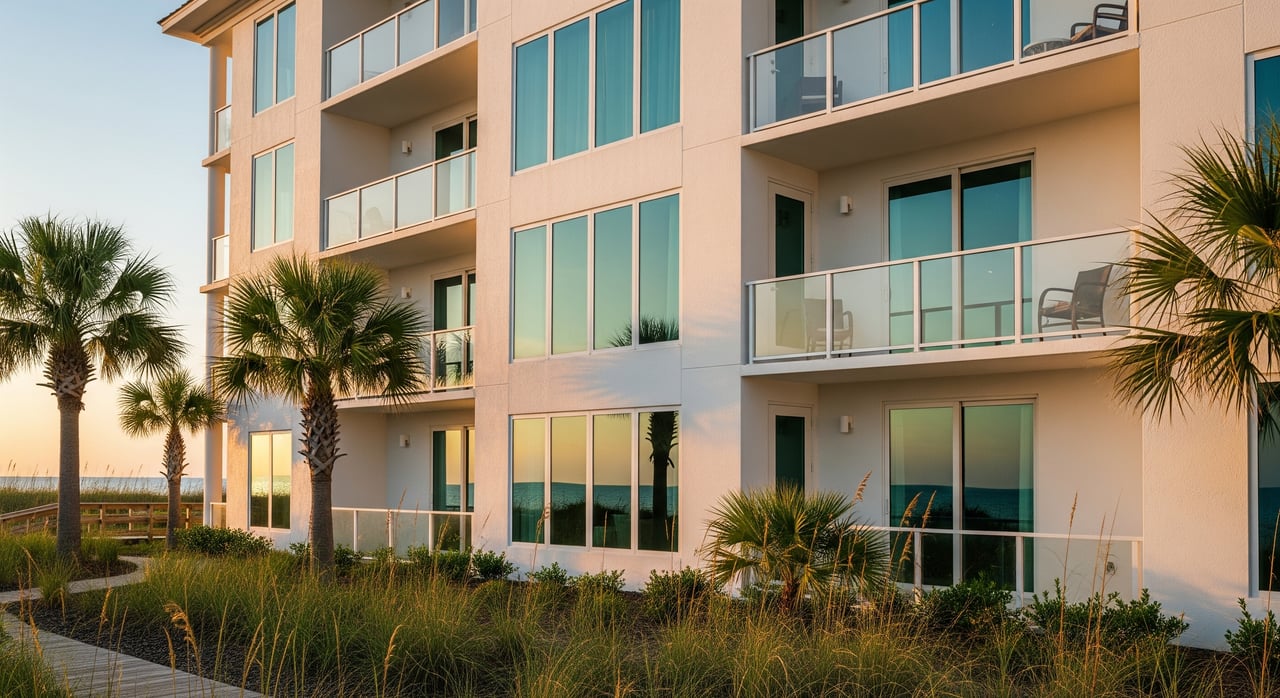
Sandestin is a coastal resort community in Walton County with mid-rise and tower-style condos, many used as second homes or vacation rentals. Coastal exposure can accelerate corrosion and waterproofing wear, so regular inspection and maintenance are critical.
To see if a building is under any state or local review cycle, start with the building’s age, height, and location. The association, Walton County Property Appraiser records, or the county building department can help confirm construction dates and permit history. Older, taller, and coastal-exposed buildings are more likely to face formal inspections or heightened scrutiny.
Reserves, assessments, and repairs
Reserves are funds set aside by the association for major repairs and replacements. A current reserve study estimates useful life and replacement costs for common elements such as roofs, balconies, pool decks, elevators, and structural repairs.
When a milestone inspection identifies large projects, the association may rely on reserves, special assessments, or loans to fund the work. If reserves are thin or outdated, owners can face higher dues or one-time assessments. For you as a buyer, a funded reserve plan and recent engineering reports signal proactive management.
Your due diligence checklist
Request these items from the seller and association during your inspection period:
- Most recent milestone or structural inspection reports, including any follow-up repair scopes.
- Latest reserve study and the current reserve account balance.
- Current annual budget, prior 2 to 3 years of budgets, and audited or reviewed financial statements.
- Board and owner meeting minutes for the past 12 to 24 months.
- Permit records and certificates of completion for major structural or envelope work.
- Association insurance declarations, including limits, deductibles, wind coverage, and any exclusions.
- Required Florida resale disclosures, including budgets, insurance, and reserve information.
- Litigation history and any pending claims involving the association.
- Engineer’s cost estimates tied to inspection findings, with the repair schedule.
- Special assessment history for the last 5 years, any pending assessments, and any association loans.
Smart questions for the association
Ask the manager or board to clarify the building’s status and plan:
- Has the building completed a milestone or recertification inspection? When and by whom? Can I review the full report?
- What repairs were recommended, what is the estimated cost, and what is the timeline?
- Which items are structural versus routine maintenance?
- When was the reserve study completed, and when will it be updated?
- What is the current reserve balance, and what contribution policy is in place?
- Have required repairs been permitted and completed? Are completion certificates available?
- Are special assessments planned or approved? How will payments be collected and in what amounts?
- Is there any litigation related to structural or envelope issues?
- Do insurance policies have exclusions that could limit recovery for structural repairs?
- How have findings and funding plans been communicated to owners, and are any votes pending?
Red flags to pause on
Keep your guard up if you see any of the following:
- No structural inspection on record for an older coastal building.
- Inspection findings that cite near-term safety issues without a clear funding plan.
- Missing or outdated reserve study, or a large unfunded shortfall for critical components.
- Recent or impending large special assessments, especially repeated over a short period.
- Major repair work without permits or missing completion certificates.
- Insurance with unusually low limits, very high deductibles, or exclusions that shift risk to owners.
- Pending litigation related to structural defects.
- Low owner-occupancy or a high share of lender-owned units that could limit financing options.
Financing and insurance factors
Lenders and secondary-market programs review condo associations for eligibility. They often look at reserve funding, owner-occupancy ratios, litigation, and whether a building has unresolved structural or safety issues. A negative or incomplete milestone inspection can restrict loan choices or require additional scrutiny.
Insurers may raise premiums or limit coverage if a building has known structural problems or deferred maintenance. Inspection findings and repair plans can influence availability and pricing. Expect that significant projects could bring higher dues, special assessments, or both. Build this into your budget and timeline.
Who to involve early
The right team can reduce risk and time to close:
- Your real estate agent or buyer’s agent to secure the full association resale package and engineering reports as contingencies.
- The association manager for financials, minutes, insurance, and repair scheduling details.
- A structural engineer with coastal condo experience to independently review any significant findings.
- A Florida condominium attorney to interpret documents, disclosures, and voting rules for reserves and assessments.
- Your lender to confirm condo eligibility and underwriting requirements tied to reserves and inspections.
- An insurance agent to review insurability, likely premiums, and policy exclusions.
- A reserve study professional if the association’s report is dated and needs an update.
A practical buyer workflow
Use this step-by-step approach to keep diligence tight and focused:
- Make delivery of the association resale package and all recent engineering reports a contract contingency.
- Have your agent and lender scan for immediate deal-breakers such as major assessments or unresolved safety items.
- If reports show material issues, hire an independent structural engineer to review scope, costs, and timelines.
- Verify permits and completion status through Walton County building records.
- Get written confirmation of the association’s funding plan and estimated owner cost per unit.
- Align closing timing with any required board approvals, owner votes, or lender conditions tied to inspection status.
- Address known or potential assessments in the sales contract using clear responsibility or escrow language.
Tips for second-home buyers
If you plan to use the condo as a vacation home or short-term rental, take a closer look at how rental activity affects the building’s finances. Higher turnover can influence wear, insurance, and reserve needs. Ask your lender whether rental policies or owner-occupancy ratios in the building could affect loan options.
A thoughtful review now can prevent unpleasant surprises later. Focus on recent inspections, reserve strength, and a credible plan to execute repairs. That combination supports a safer building and a more predictable ownership cost.
Ready for expert guidance?
You deserve clear answers and a smooth path to close. With legal-grade contract knowledge and local condo experience, we help you secure the right documents, read the fine print, and negotiate a plan that fits your goals. If you are considering a condo in Sandestin or along 30A, connect with 30AMY HOMES to Schedule a Personal Consultation.
FAQs
What is a condo milestone inspection in Florida?
- It is a formal evaluation by a licensed engineer or architect that reviews a building’s structural systems, waterproofing, and life-safety elements, with a report of findings and recommended repairs.
How do I know if my Sandestin building is affected?
- Start with the building’s age, height, and coastal exposure; confirm details with the association, the Walton County Property Appraiser, or the county building department.
What is a reserve study and why does it matter?
- A reserve study estimates remaining life and replacement costs for major components so the association can budget contributions and avoid surprise assessments.
Can inspection issues impact my mortgage approval?
- Yes; lenders may limit options if a building has unresolved structural concerns, inadequate reserves, significant litigation, or pending major repairs without a funding plan.
What should I request during the inspection period?
- Ask for structural inspection reports, the reserve study and balances, budgets and financials, meeting minutes, permits and completion certificates, insurance, litigation history, and assessment details.
Who pays a special assessment in a resale?
- Payment responsibility is negotiable; address it in the contract so both parties agree whether the seller, buyer, or both will cover approved or pending assessments.