Leave a Message

Thank you for your message. We will be in touch with you shortly.

Gulf‑Front vs Gulf‑View on 30A: What Buyers Should Know

December 18, 2025

Are you weighing a Seagrove purchase and wondering if Gulf-front is worth the premium over a Gulf-view? You are not alone. On 30A, the orientation to the water shapes your price, rental performance, insurance, and day-to-day lifestyle. In this guide, you will learn how Gulf-front, Gulf-view, and Gulf-access are defined in Seagrove, how each impacts value and risk, and how to match the right option to your goals. Let’s dive in.

Gulf-front, Gulf-view, and Gulf-access defined

What counts as true Gulf-front in Seagrove

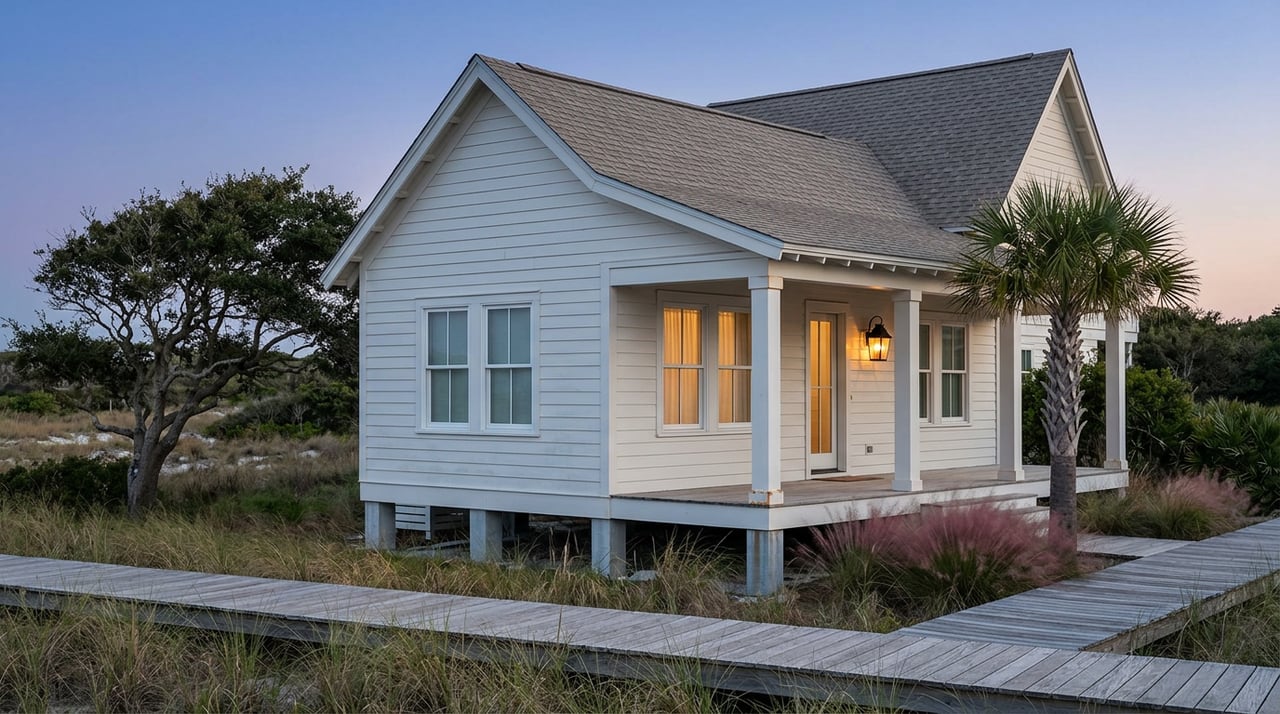
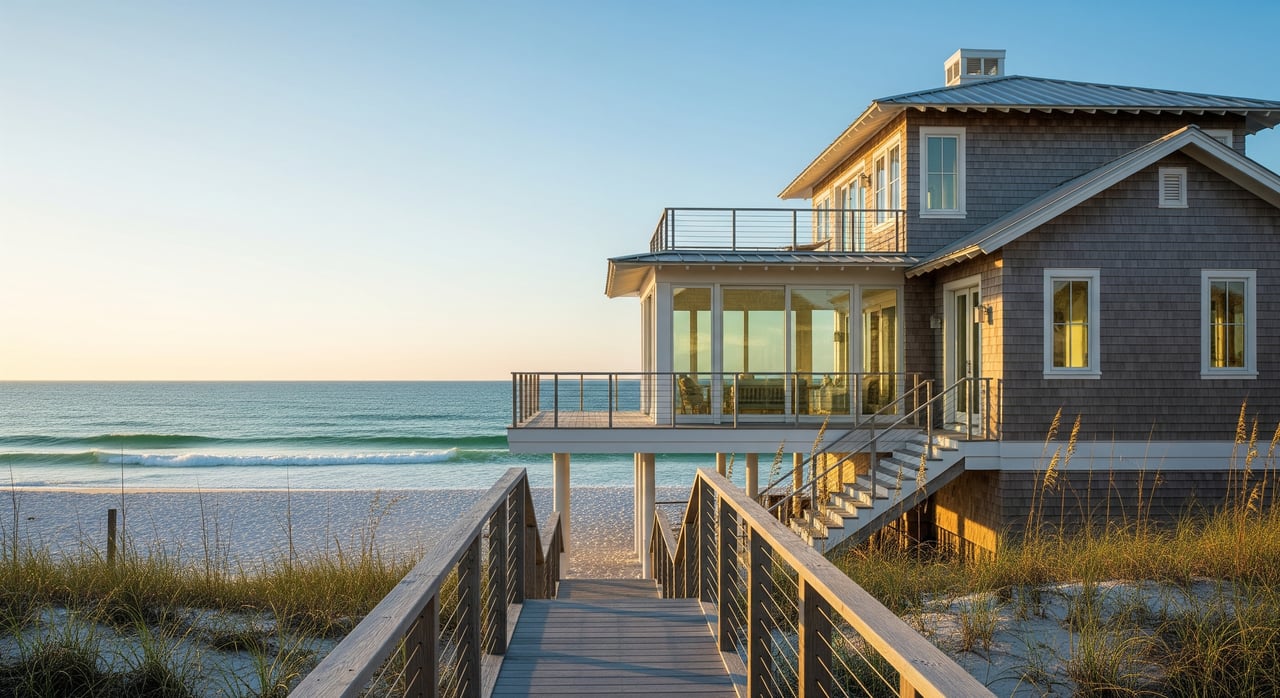
A true Gulf-front property directly borders the Gulf of Mexico with unobstructed sand between the dwelling and the water. In Seagrove, many Gulf-front homes sit on or near the dune line and often use dune crossovers or deeded easements to reach the beach. The sand seaward of the mean high water line is generally public, so ownership, access, and maintenance are governed by surveys and recorded easements. When a listing says beachfront, you should verify the survey and the access documents.

What a Gulf-view means on 30A

Gulf-view properties are not on the sand but have a line-of-sight to the water. In Seagrove, this can include homes on the north side of 30A with elevated views over dunes, or condos a block or two back that still capture the horizon. Views depend on elevation and what sits between you and the water, such as homes, vegetation, or a public access path. Always consider whether future construction could alter that view.

What “Gulf-access” can mean locally

On 30A, Gulf-access usually refers to properties with a deeded path or crossover to the beach, whether private or shared. In other parts of Florida, the term can mean boat access to the Gulf via canals or bays, which is not how Seagrove typically uses it. Because listing language varies, confirm the meaning in writing and review the recorded easement. The easiest way to avoid confusion is to ask for the plat, deed, and any referenced access agreements.

How orientation impacts price and rentals

Purchase price patterns

Gulf-front generally commands the highest price per square foot on 30A due to scarcity, direct access, and rental appeal. Gulf-view trades at a discount to Gulf-front but still outperforms inland inventory when the view is unobstructed. Properties with deeded Gulf-access can sit between the two, with value driven by proximity, the quality of the access, and whether it is exclusive or shared. The exact premium shifts with property type, elevation, and market cycles, so current comps matter.

Rental demand and seasonality on 30A

Beachfront units typically earn the highest nightly rates and stay booked during peak periods. Strong Gulf-view listings can achieve competitive occupancy and good average daily rates when walkability and beach proximity are excellent. For Gulf-access homes, a private or deeded crossover is a difference maker that lifts desirability and rates. Expect strong summer demand, meaningful spring and fall bookings, and softer off-season rates that can be improved with targeted promotions.

Supply and resale

True Gulf-front inventory is limited and comes to market less frequently, which supports resale premiums but can spark competition when a listing appears. Gulf-view and Gulf-access options are more plentiful, which helps you align features and budget more easily. If you want specific view corridors or unique dune settings, patience and preparation will pay off.

Due diligence before you bid

Verify access and easements

  • Confirm deeded beach access or crossover rights, including who maintains the structure and whether use is exclusive or shared.
  • Review recorded plats, easements, covenants, and HOA rules that govern beach paths and use.
  • Ask the seller to define Gulf-front or Gulf-access in writing and provide the survey and any access agreements.

Flood zone, elevation, and insurance

  • Identify the FEMA flood zone and base flood elevation for the property and request an elevation certificate if available.
  • Obtain quotes for wind and flood insurance from local coastal-focused agents early in your process.
  • Ask about hurricane retrofits such as impact glass and elevated foundations that can influence underwriting and costs.

Coastal hazards and erosion history

  • Investigate documented erosion, prior dune breach, and any county or state nourishment projects near the parcel.
  • Learn if dune protection or setback lines intersect the lot or affect future improvements.
  • Factor in obligations to maintain crossovers and dune vegetation if applicable.

Structure and maintenance

  • Beachfront homes experience more exposure to salt, sand, and wind, which elevates upkeep costs.
  • Budget for corrosion control, landscape replacement, and periodic crossover repairs if you own or share one.
  • Use inspectors familiar with coastal structures to evaluate building materials and anchoring systems.

Rentals, HOA, and taxes

  • If buying for income, request verifiable rental history with occupancy and average daily rate by season.
  • Confirm HOA or deed restrictions on rental term lengths, manager approvals, guest parking, and beach rules.
  • Understand local requirements for vacation rental registration and tourist development tax collection.

Rules and environmental factors that matter

Walton County requires short-term rental operators to comply with local registration and tax rules. Many communities add their own rental and access regulations, so review HOA documents early. State and county agencies manage dune protection and beach restoration, which can influence shoreline width and occasionally limit access during projects.

FEMA flood maps and local building codes guide construction standards and can affect your insurance. V and VE zones carry stricter foundation requirements and often higher premiums. The coastal insurance market changes, and Citizens Property Insurance may serve as a backstop in some cases. Talk with local insurance brokers who specialize in coastal risk.

Vegetation and dunes are often protected, and alterations may require permits or mitigation. Some owners have maintenance responsibilities for dune vegetation and crossover structures. Clear awareness of these rules helps you plan improvements and avoid delays.

Match your goals to the right orientation

Investor focused on revenue

  • Prioritize Gulf-front if your top goal is peak nightly rates and high-season occupancy.
  • Compare net returns after higher wind, flood, and maintenance costs typical on the water.
  • Validate performance with third-party rental statements, a detailed management plan, and a realistic expense pro forma.

Second-home buyer who may rent occasionally

  • Consider Gulf-view or deeded Gulf-access to capture the lifestyle at a lower purchase price and with more manageable carrying costs.
  • Focus on walkability, safe beach crossings, storage for gear, and HOA rules that fit your personal-use calendar.
  • Look for layouts that serve family visits and guest stays without overextending your budget.

Primary resident planning year-round living

  • Balance Gulf-front appeal with long-term resilience, insurance stability, and routine maintenance commitments.
  • Evaluate elevation, storm hardening, and neighborhood infrastructure for everyday convenience.
  • If privacy matters, check how close public access points are and how they affect foot traffic.

Smart questions to ask the listing agent

  • Is the property truly Gulf-front? Please define that in writing and provide the current survey.
  • Does the property have deeded beach access or a private crossover? Where is it recorded and who maintains it?
  • What is the FEMA flood zone and base flood elevation? Is there an elevation certificate?
  • Has the home had any flood or hurricane claims or structural repairs after storms?
  • What are the HOA or CC&R rules for short-term rentals, guest parking, and dune or landscaping maintenance?
  • Can you provide 2 to 3 years of rental statements if marketed as an investment?
  • Has the shoreline nearby been part of a renourishment or emergency project? Are any projects planned?
  • Are there any encroachments or title issues related to the beach or public access areas?

Seagrove takeaways

If you want the ultimate 30A experience and top-tier rental potential, Gulf-front delivers, with the tradeoff of higher insurance and upkeep. If you favor value and flexibility, a strong Gulf-view or deeded Gulf-access home can give you the beach lifestyle at a friendlier price point. In Seagrove, documentation is everything. Verifying surveys, easements, flood data, and rental rules keeps your investment on solid ground.

Ready to sort through options that fit your budget, goals, and risk profile? Schedule a personal consult with the boutique team at 30AMY HOMES for tailored guidance and neighborhood-specific insight.

FAQs

What is the difference between Gulf-front and Gulf-view on 30A?

  • Gulf-front directly borders the Gulf with unobstructed sand to water, while Gulf-view is set back but maintains a line-of-sight to the water.

How do Gulf-front properties in Seagrove access the beach?

  • Most rely on dune crossovers or deeded easements, which should be verified in the survey and recorded documents.

Are beaches in front of Seagrove homes private or public?

  • The sand seaward of the mean high water line is generally public, so ownership and use are defined by surveys and easements.

Do Gulf-view homes rent well compared to Gulf-front?

  • Gulf-front earns the highest rates in peak season, but well-located Gulf-view properties can achieve strong occupancy and competitive average daily rates.

What insurance factors should I check for a Seagrove beachfront?

  • Confirm FEMA flood zone and base flood elevation, request an elevation certificate, and get local quotes for wind and flood coverage.

What does “Gulf-access” usually mean in Seagrove listings?

  • It typically means deeded access to the beach via a path or crossover, not boat access; always verify the exact meaning in writing.

What maintenance costs are higher on Gulf-front homes?

  • Expect more frequent attention to corrosion, exterior finishes, landscaping, and crossover repairs due to salt, sand, and wind exposure.

What documents should I request before making an offer?

  • Ask for the survey, recorded easements, HOA rules, flood and elevation data, insurance claim history, and rental statements if applicable.

Work With Amy

Whether you are buying or selling, you will find Amy's attention to detail, fun personality, and client-centered approach invaluable. Amy makes the real estate transaction seamless and handles all aspects of the transaction with integrity and professionalism.