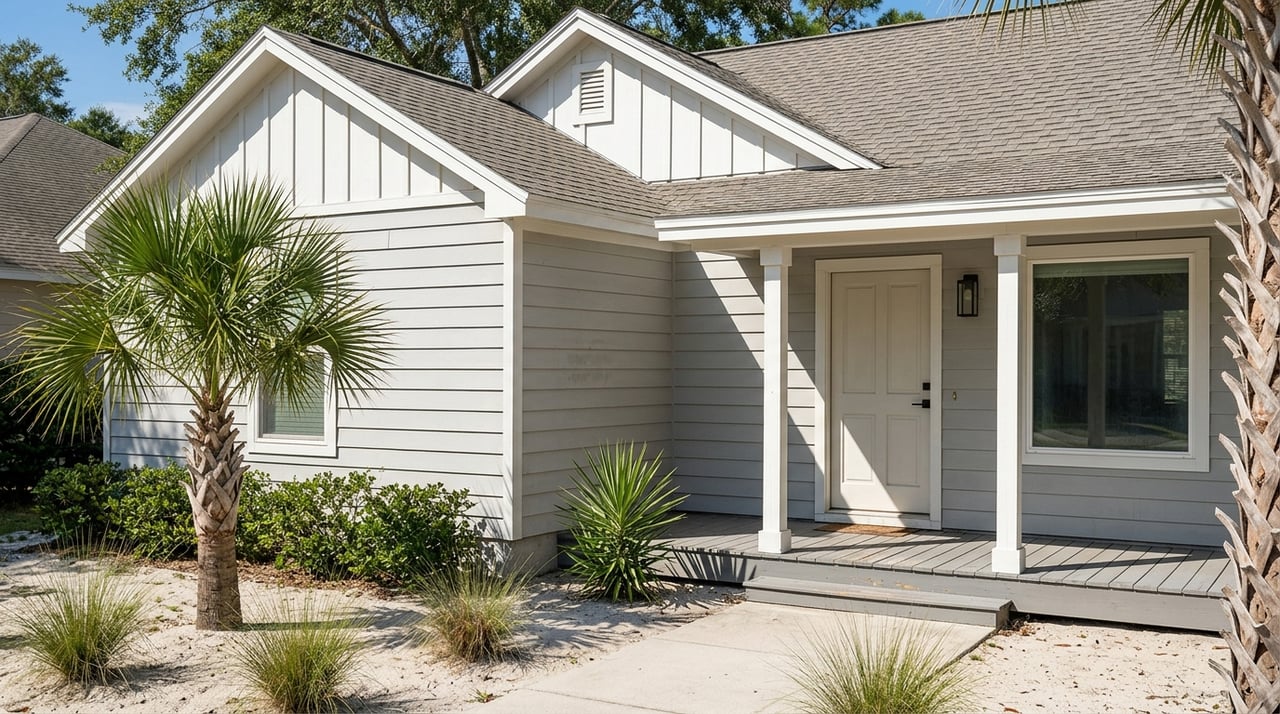
Grayton Beach Home Buying Guide for Zoning, Renovation, and Value
April 2, 2026
April 2, 2026
If you are thinking about buying in Grayton Beach, you are not just buying a home near the water. You are buying into one of the oldest communities on Florida’s Gulf Coast, where historic character, coastal rules, and limited supply all shape what you can do with a property. That can create real long-term appeal, but it also means the details matter. This guide will walk you through renovation limits, zoning overlays, rental rules, and value drivers so you can make a more confident decision. Let’s dive in.
Grayton Beach has a distinct identity because it is one of the oldest residential communities on Florida’s Gulf Coast, founded in 1890. Under Walton County’s Grayton Beach Neighborhood Plan, the area is defined by CR 30A, the Gulf, Grayton Dunes State Park, and Grayton Beach State Park and Western Lake.
That plan matters because it is built around preserving the area’s residential and historic character. The county describes neighborhood plans as overlay districts that can address things like height, parking, setbacks, and access, even though they do not change the underlying land use under Walton County neighborhood plan guidance.
For you as a buyer, that means Grayton Beach is not a place where every parcel offers the same flexibility. The historic setting and overlay standards help protect what makes the area special, but they can also affect how much you can expand, rebuild, or reconfigure a property.
The Grayton Beach Neighborhood Plan sets some practical boundaries that can influence value and future plans. According to the county plan, lots recorded after the plan’s adoption may not be further divided, new construction is capped at 40 feet in height, and some alley-abutting residential lots may reduce rear setbacks from 15 feet to 5 feet.
In simple terms, these rules can help limit future supply. That may support long-term value, but it also means each lot needs careful review before you assume you can add square footage, change the footprint, or maximize redevelopment potential.
The county also states that Grayton Beach does not mandate landscaping or architectural controls through the neighborhood plan itself, and existing lawful nonconforming uses may continue. Even so, a property’s exact zoning, setbacks, and overlay status still need to be verified on a parcel-by-parcel basis.
If a parcel fronts or touches CR 30A, it may also fall within the Route 30A Scenic Corridor Overlay. Walton County says this overlay can add standards for landscaping, access, signage, and other development requirements.
That extra layer can matter more than buyers expect. Before you close, confirm whether the overlay applies, because additional review or design standards could affect future plans for improvements or redevelopment.
Older cottages are part of Grayton Beach’s charm, but older homes often come with more renovation complexity. Walton County requires a building permit for construction or alteration that requires an inspection under the technical codes.
That alone is not unusual. What matters more in Grayton Beach is how flood rules and substantial-improvement rules can change the cost of a project.
Walton County defines substantial improvement as repairs or alterations over a 10-year period that reach 50% of the structure’s pre-project market value. Under the county’s floodplain rules, structures that are substantially damaged or substantially improved generally must be elevated to Base Flood Elevation plus 1 foot, as described by the county’s flood and substantial improvement guidance.
This is one of the biggest issues for buyers considering a fixer-upper. A renovation that looks manageable at first can become much more expensive if prior work, storm history, or current scope pushes the property over that threshold.
In special flood hazard areas, Walton County says development requires a development order before development and a building permit before construction. Buyers should also know that Grayton Beach is listed by the county as an OPA area within the Coastal Barrier Resources System, and the county explains that CBRA designation can limit federal flood insurance availability for structures built or substantially improved on or after the applicable date.
That is why flood due diligence should happen early, not after contract acceptance. You will want to verify the flood zone, insurance options, lender requirements, and whether past or future improvements could affect cost and insurability.
If the property relies on a septic system, Walton County says occupancy is limited by the on-site sewage permit and the assumptions under which it was issued. That can directly affect how you plan to use the home, especially if you expect to host larger groups or pursue rental income.
This is a good example of why square footage alone does not tell the whole story in Grayton Beach. Actual use may be shaped by septic approvals, occupancy limits, and compliance history.
Some buyers assume they can add a small studio, storage building, or guest space without much review. Walton County says some very small owner-built structures may be exempt from building permits only in limited cases and only outside the coastal building zone, under its permit rules.
The county also regulates accessory structures to help ensure compatibility with the surrounding area. If you are buying with plans for a detached building or expanded outdoor living area, it is worth confirming what is actually allowed before you close.
Walton County allows certain accessory dwelling units under 800 square feet in residential zones. However, those ADUs cannot be used as separate short-term vacation rentals and must remain compatible with the single-family character of the property.
For buyers focused on income potential, that distinction matters. An ADU may add flexibility for guests or extended use, but it does not automatically create an additional short-term rental stream.
Grayton Beach attracts buyers who want personal use with some rental income, but Walton County’s short-term vacation rental process is detailed and active. The county requires annual short-term vacation rental certification, separate from state tax and licensing requirements.
Before county approval, owners must also register with the Florida Department of Revenue, obtain a DBPR vacation-rental license, and register with Walton County for tourist-development tax. The county’s current fee schedule is $300 per property for individual registration or $227 per property for community registration, and operating without registration can trigger a $500-per-day penalty.
Walton County’s short-term rental FAQs explain that occupancy is capped at one person per 150 square feet of usable floor area, or a lower certified maximum. The county also states that new units are generally expected to provide one parking space per 900 square feet of heated and cooled space.
That can have a real effect on rental performance and guest expectations. Advertising must match the certified occupancy and parking, and listings must include both the short-term rental certificate number and the tourist-development tax registration number.
The county also requires specific guest-facing information to be posted. According to Walton County’s vacation rental posting requirements, many single-family rentals need an exterior sign plus interior posting with the address, responsible-party contact, occupancy, parking, trash instructions, noise notice, evacuation notice, and more.
Walton County also requires a local responsible party who is available 24/7 and can respond within one hour after notification. If the home has three or more floors, state law also requires balcony and stairway inspection and evacuation-map posting on upper floors.
The county says certain full-time owner-occupied homestead residences are exempt from short-term rental certification. For some buyers, especially those planning occasional rental use rather than full-time vacation-rental operation, that distinction may shape the right ownership strategy.
If the home will be rented, you should also confirm the tourist-development tax district. The Walton County Clerk states that properties south of Choctawhatchee Bay are in the South Walton tourist tax district at 5 percent.
Grayton Beach value is not just about the home itself. It is also tied to access, public lands, and the unique coastal setting around the neighborhood.
Grayton Beach State Park is a major draw. According to Florida State Parks, the park is open from 8 a.m. until sundown, may temporarily close during high visitation when it reaches capacity, and offers access to Western Lake, a 100-acre coastal dune lake, along with trails and beach access.
That protected land around Grayton Beach helps preserve the feel of the area. For many buyers, that is part of the long-term appeal because it supports a setting that is hard to replicate elsewhere.
Walton County’s current beach activities ordinance identifies Grayton Beach as a designated limited-access driving area. Permitted vehicles may drive, launch boats, and park only in designated access areas.
During turtle-nesting season, driving is prohibited from 10 p.m. until 8 a.m. or until the morning nesting survey is complete. The county says beach-driving permit applications are accepted each year from April 1 through May 10.
If beach driving is part of your purchase decision, confirm current rules and permit eligibility before you buy. It is a good example of how lifestyle expectations should be matched to current county regulations, not assumptions.
Grayton Beach has several factors that can support long-term desirability. The historic neighborhood framework, lot division limits, height caps, and surrounding public lands all contribute to a more supply-constrained environment.
At the same time, the same factors that help preserve character can make ownership more technical. Parking, flood exposure, renovation cost, occupancy limits, and overlay rules can all affect how well a property fits your goals.
That is why the best Grayton Beach purchases are usually the ones where lifestyle goals and property rules line up clearly from the start. Whether you are buying a second home, a primary residence, or a property with income potential, careful due diligence is what protects value.
Before you close, make sure you:
Buying in Grayton Beach can be incredibly rewarding, but it pays to approach it with both excitement and precision. If you want help evaluating zoning, renovation risk, or rental-use fit before you make an offer, connect with 30AMY HOMES for a personalized, high-touch buying strategy tailored to the 30A market.
Stay up to date on the latest real estate trends.
Whether you are buying or selling, you will find Amy's attention to detail, fun personality, and client-centered approach invaluable. Amy makes the real estate transaction seamless and handles all aspects of the transaction with integrity and professionalism.