Seaside Florida Architecture Homes: A Buyer’s Guide
May 14, 2026
May 14, 2026
Thinking about buying in Seaside? It helps to know that you are not just choosing a beach house. You are buying into one of the most carefully designed communities on 30A, where architecture, landscaping, lighting, and even the feel of the streets all work together. If you want to understand what Seaside homes look like, why they hold such a distinct character, and what that means for day-to-day ownership, this guide will walk you through it. Let’s dive in.
Seaside began as a planned 80-acre community created with Duany Plater-Zyberk and is widely recognized as the world’s first New Urbanist town. Today, the town describes itself as a walkable community with more than 300 homes, along with restaurants, shops, and galleries. That original vision still shapes what buyers see and what owners can do with their homes.
What makes Seaside stand out is that the look is not accidental. The town’s architectural regulations guide walls, windows, doors, porches, roofs, lighting, colors, and sitework. In simple terms, Seaside’s charm comes from a shared design language, not from a random mix of homes.
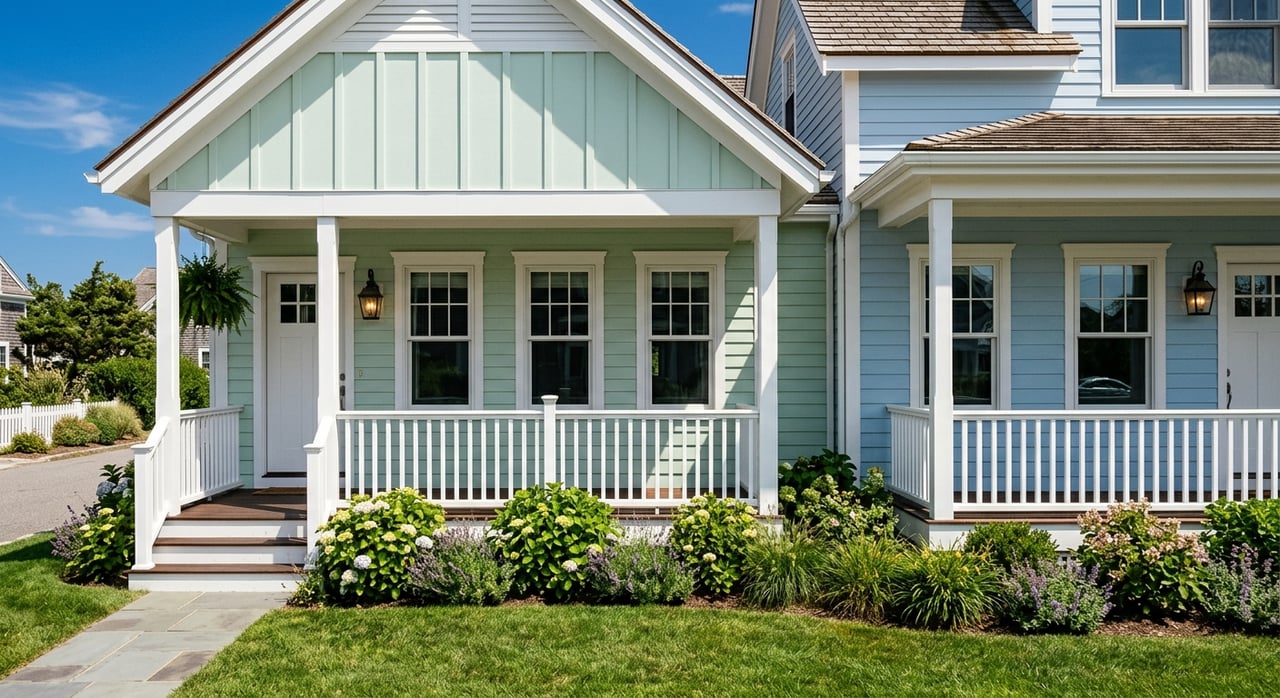
At first glance, many buyers picture pastel cottages with front porches and picket-fence charm. That image is real, but it is only part of the story. Seaside uses a controlled coastal vernacular, so the community feels cohesive even though the homes are not all the same.
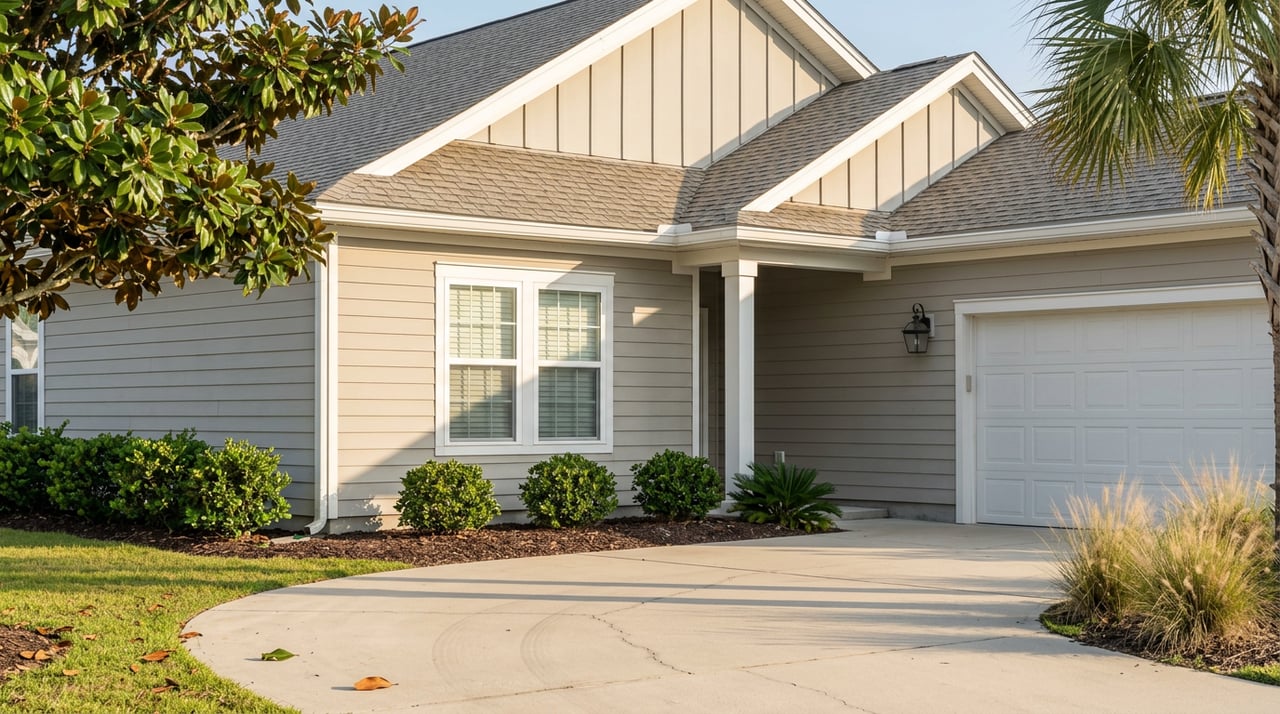
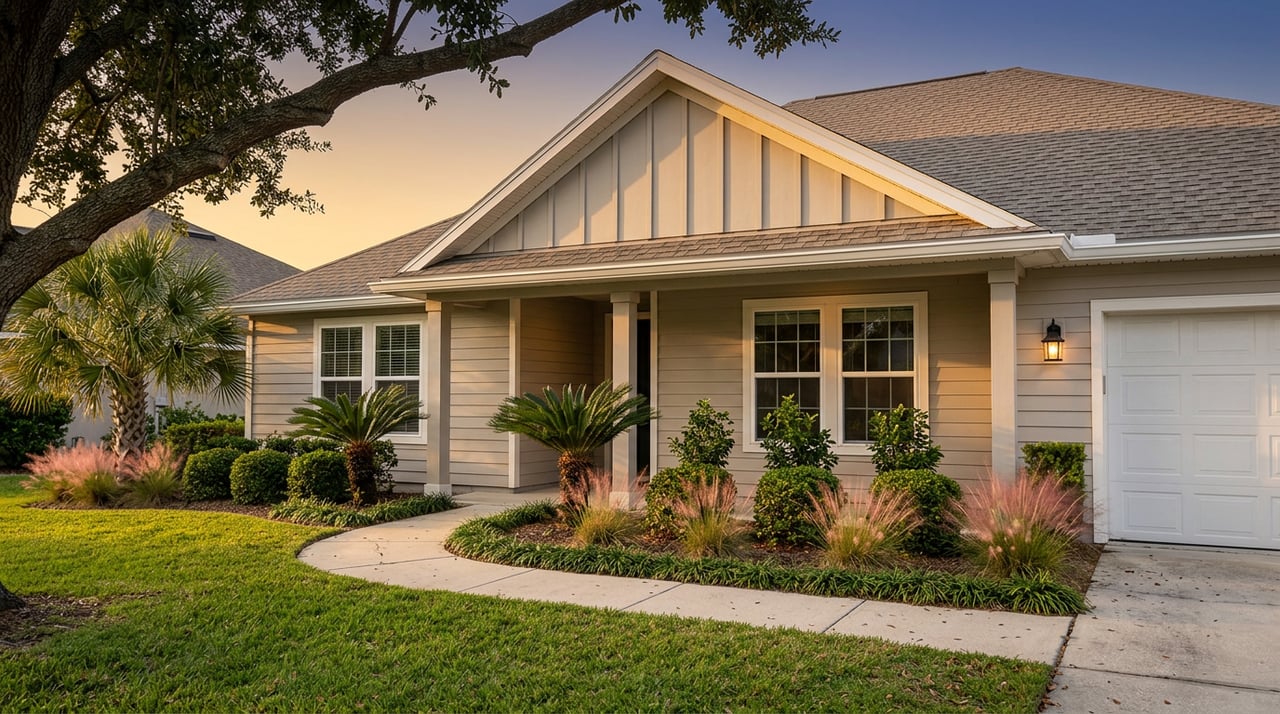
Current inventory shows a mix of cottage-scale homes, Charleston-style residences, and other coastal house types. The common thread is not identical floor plans. It is the way homes use porches, rooflines, materials, and proportions to fit the town’s overall framework.
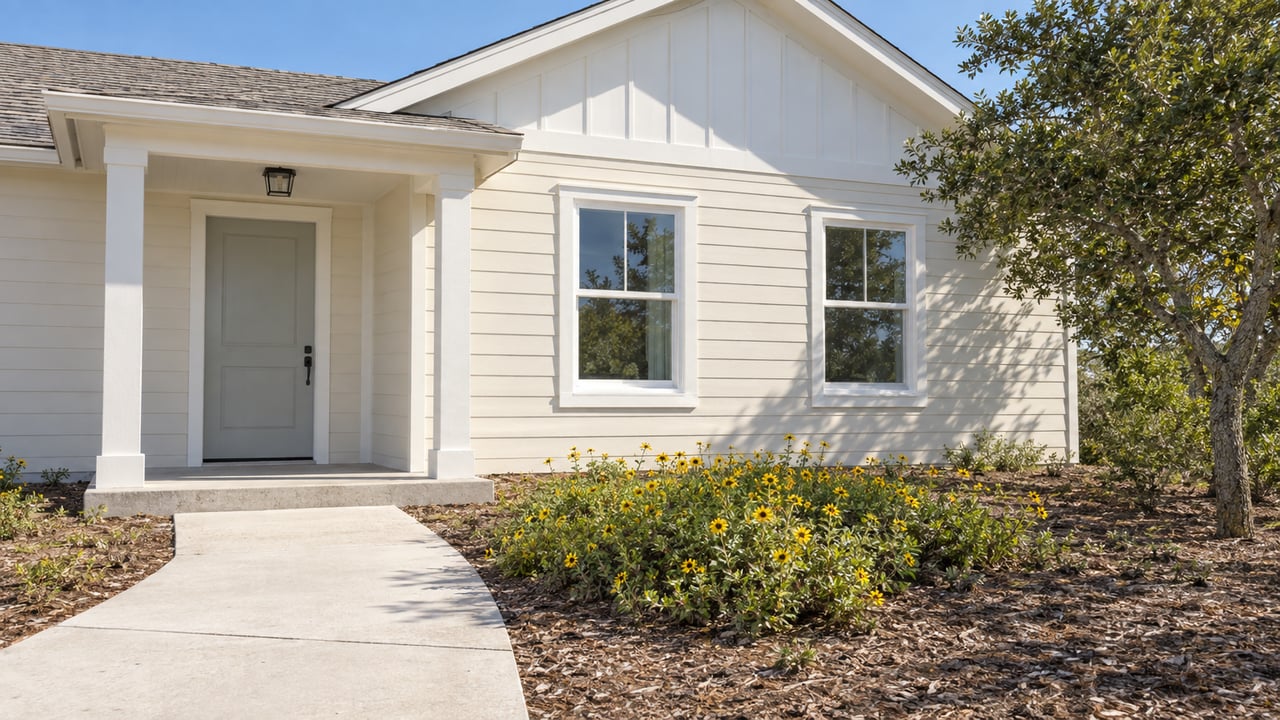
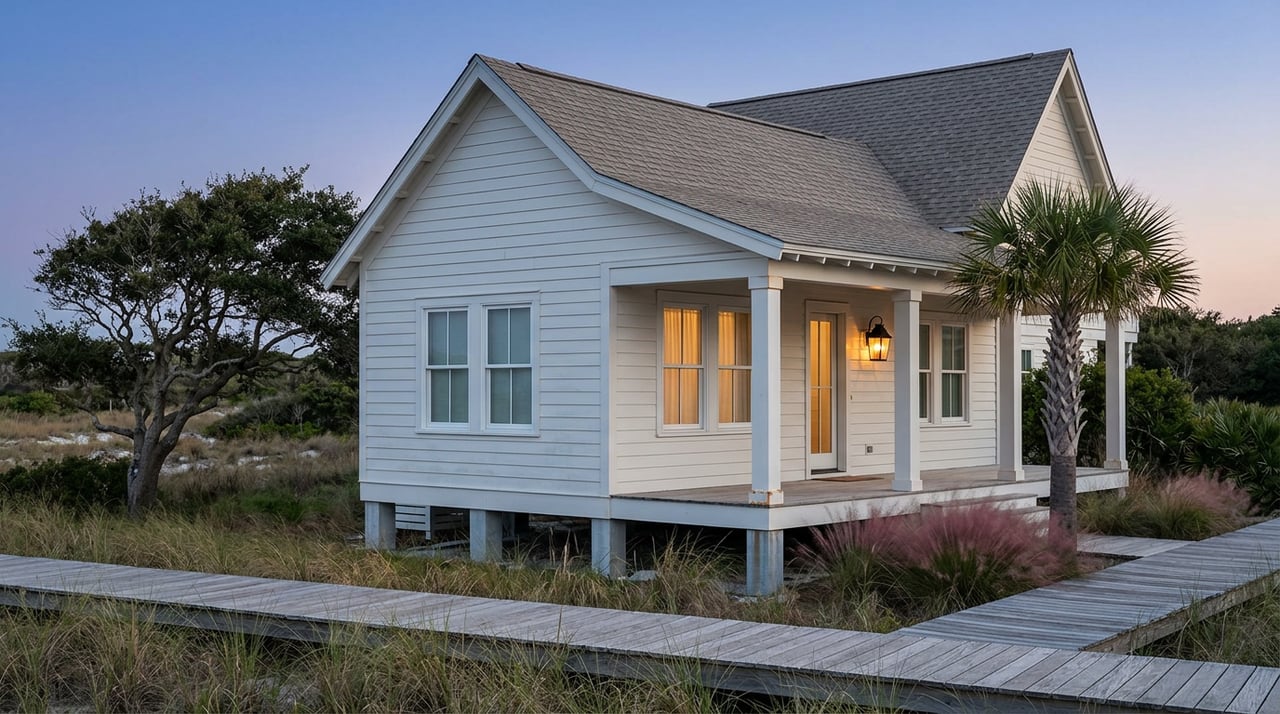
Compact cottages are part of Seaside’s signature look. These homes often deliver the classic beach-town feel buyers expect, with inviting porches and a simple, approachable scale. In Seaside, smaller homes can still command premium pricing because location and character often matter more than sheer square footage.
Some homes reflect a Charleston-style approach within Seaside’s design standards. You may see tall, narrow forms, layered porches, and a stronger vertical presence than in a smaller cottage. Even so, these homes still have to fit the same architectural code and streetscape expectations.
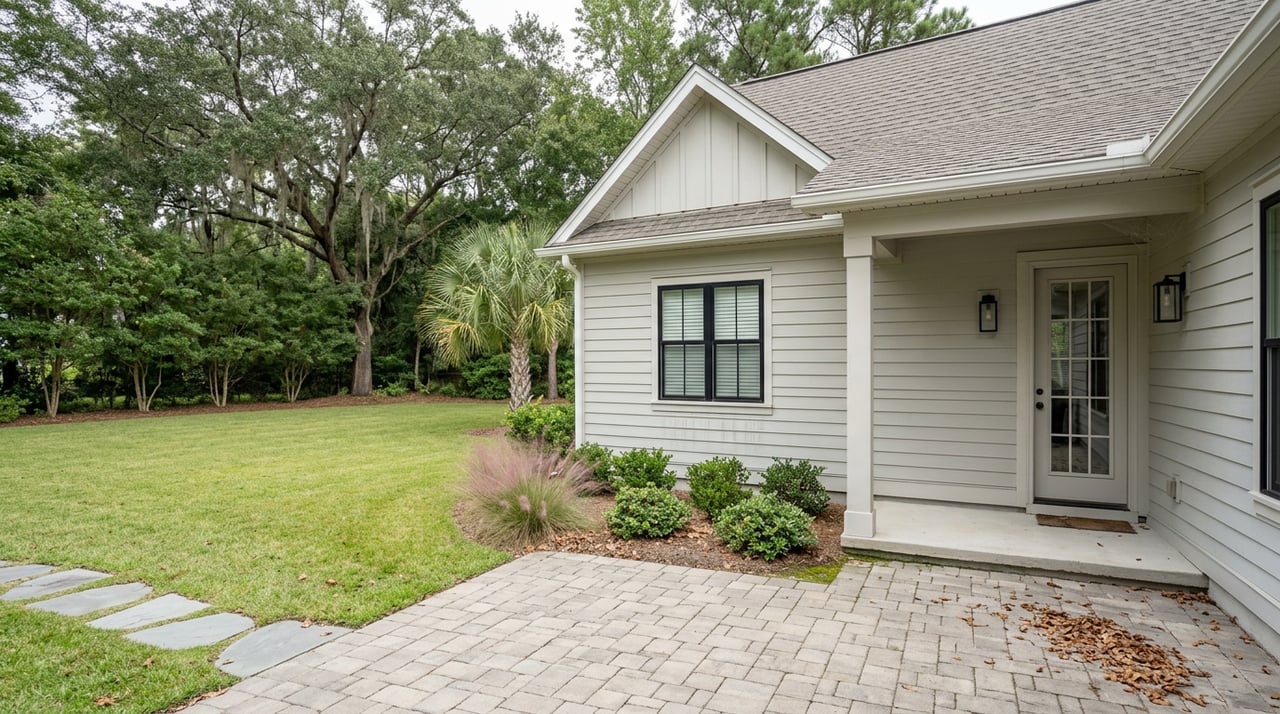
Other homes may feel more broadly coastal than strictly cottage or Charleston in style. Across these variations, buyers will still notice repeating elements like wood siding, wood doors and windows, simple gable or hip roofs, and prominent porches. That consistency is a big part of why Seaside feels so visually unified.
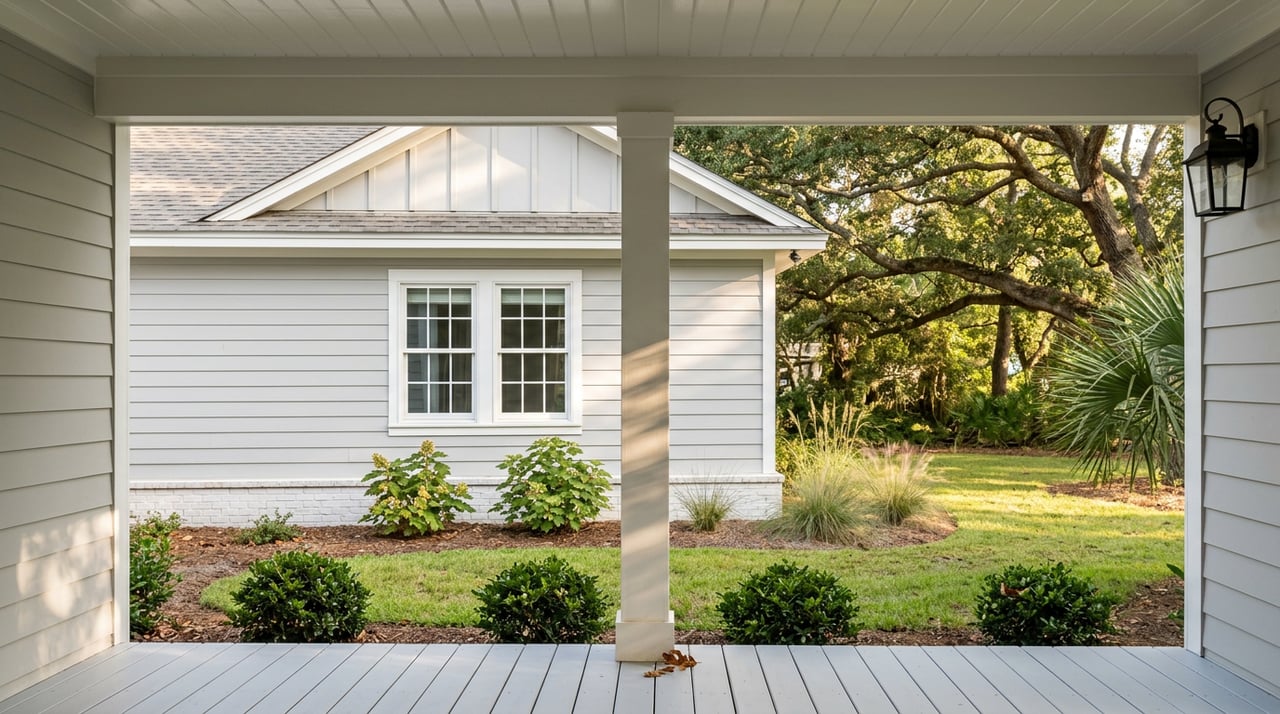
In Seaside, porches are not just decorative extras. They are a core part of the town’s architecture and how residents experience daily life. The code pays close attention to porch materials and proportions, which helps preserve the town’s historic beach-village feel.
For you as a buyer, that means the front of the home matters just as much as the interior. Porches help create a more public, connected streetscape where homes engage with paths, brick streets, and shared outdoor space. If you prefer homes that feel tucked away behind large front yards, Seaside may feel different from other 30A communities.
Seaside’s design identity goes beyond a pastel paint palette. The town’s rules favor natural-looking, traditional materials such as wood siding, wood doors and windows, wood porches, metal roofing, and wood shakes. At the same time, several common suburban finishes are discouraged or prohibited, including synthetic trim and EIFS.
Color is also more intentional than many buyers realize. Lighter colors are meant to appear closer to the Gulf, while more saturated tones appear farther inland. White body color is generally reserved for civic buildings, and darker forest or wood tones are used in the back section of town.
That approach gives Seaside a layered look rather than a one-note look. It also means exterior changes are not simply personal design choices. They are part of a broader visual plan.
One of the biggest surprises for buyers is that Seaside’s design standards extend well beyond the house itself. Landscape rules shape how lots look and function, and they play a major role in the town’s character. This is one reason Seaside feels more like a curated coastal village than a conventional neighborhood.
Residential lots are not designed around broad lawns. Grass seed and sod are prohibited, mulch is not allowed, and pine straw is permitted. Paths are meant to be sand or white clay, and driveways should be pervious or otherwise approved.
For you, this creates a very specific ownership experience. The result can be beautiful and highly distinctive, but it also comes with more exterior oversight and fewer casual landscaping choices than you might expect elsewhere.
Seaside’s architecture includes nighttime appearance too. Lighting is designed to stay low, warm, and shielded, using a warm-white spectrum. This helps keep the community feeling calm and visually consistent after dark.
The code also limits how visible certain functional elements can be from the front. Utility equipment, pools, solar panels, and similar features are kept from visible frontages. That protects the town’s polished appearance, but it can also affect how you plan updates or outdoor improvements.
Architecture in Seaside is tied closely to how the town works. The community says it is about a 10-minute walk end to end, and about a five-minute walk from the town center to all residences and the hotel. Narrow brick-paved streets, white-sand footpaths, Central Square, Ruskin Place, and beach pavilions all support a pedestrian-focused lifestyle.
That has real implications for buyers. In Seaside, walking and biking are often easier than driving, and shared public space matters more than oversized private lots. Many buyers love that sense of connection, while others may decide they want more separation and lot privacy.
The town also manages visitor traffic in ways that reinforce this design. Seaside announced managed parking and a complimentary daily shuttle with designated off-site parking and drop-off in the town center for 2026. That reflects a community built around pedestrians, guests, and compact circulation rather than car-dominant movement.
Seaside remains a premium market with limited inventory. A current neighborhood snapshot from Homes.com shows 8 houses for sale, a median price of $2.9 million, an average of $1,639 per square foot, 95 days on market, and 8 months of supply. Active listings range from about $1.725 million to $6.75 million.
Those numbers tell an important story. In Seaside, buyers are often paying for walkability, location, and architectural character as much as they are paying for size. A smaller cottage in the right setting can compete strongly with a larger home elsewhere because the overall Seaside experience is part of the value.
Seaside’s rental and second-home appeal comes from the same features that shape its architecture. The town highlights more than 300 vacation homes, beach access, boutiques, restaurants, and a highly walkable public environment. Its strong visitor profile helps explain why it continues to attract buyers looking for a second home or short-term-stay potential.
If you are considering Seaside from an investment or part-time ownership perspective, the design consistency matters. Homes that preserve porches, façades, and code-compliant exterior details tend to deliver the Seaside feeling buyers and guests expect. That feeling is not just aesthetic. It is central to the community’s market identity.
Seaside can be an excellent fit, but it helps to go in with clear expectations. This is not the place to buy if your main goal is maximum lot size, broad renovation freedom, or a highly suburban setup. It is a place for buyers who value a tightly edited town plan and understand that the code is part of the product.
Before you buy, it is smart to look closely at:
The Seaside architectural regulations note that the code may be amended over time. If you are planning any updates, verify the current rules before you assume an older approval or prior condition would still be acceptable today.
If you are weighing Seaside against other 30A communities, the biggest question is usually lifestyle fit. Do you want a home that offers a deeply walkable, design-driven setting with strong visual cohesion? Or do you want more freedom, more yard space, and a less regulated exterior environment? Answering that question usually brings the right choice into focus.
When you want help comparing Seaside with the rest of 30A, evaluating architectural constraints, or narrowing in on the right lifestyle match, 30AMY HOMES offers boutique guidance shaped by local market knowledge and precise transaction support.
Stay up to date on the latest real estate trends.
Whether you are buying or selling, you will find Amy's attention to detail, fun personality, and client-centered approach invaluable. Amy makes the real estate transaction seamless and handles all aspects of the transaction with integrity and professionalism.